🏛️ Eliminating Human Bias: The Digital Jury System for High-Stake Assets
Technical Summary
The Problem: The $65 Billion art and antiquities market is built on the "Expert Eye"—a fragile, single point of failure subject to fatigue, financial incentive, and local market blindness.
The Agitation: A single misattribution can devalue a legacy estate by 90%. Traditional appraisals provide a "Fixed Price" with zero transparency into the underlying logic or confidence levels.
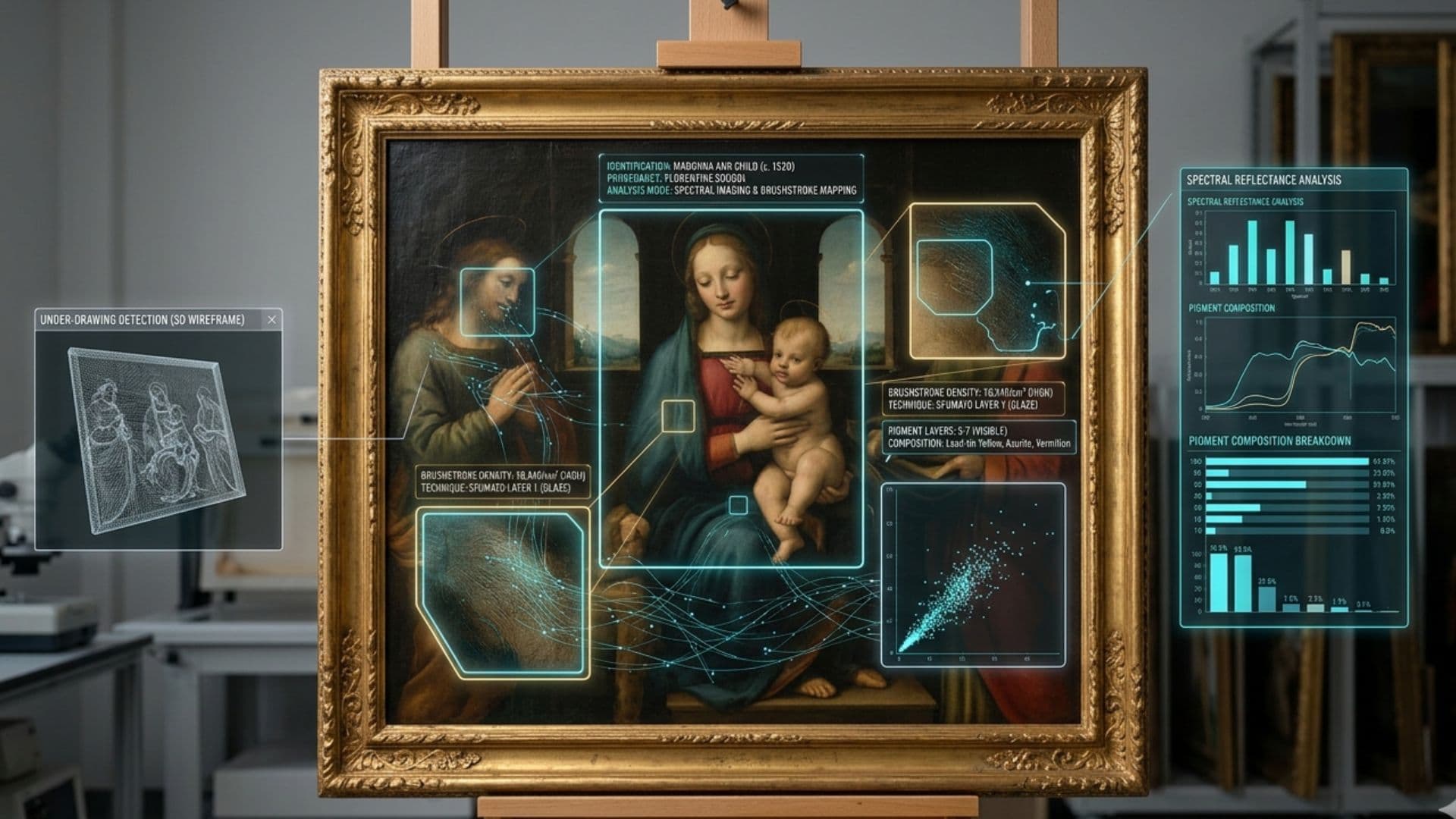
The Solution: The ValuThis **Digital Jury System** decentralizes expertise via a Triple-Model Consensus Engine. By isolating visual analysis from market data, we eliminate the bias of a single "human expert" or a single "hallucinating AI."
The End of Subjective Truth
Deterministic Attribution in a Probabilistic World
Attribution is the holy grail of fine art and high-value collectibles. Historically, this has been an "Argument from Authority." If a top-tier gallery says it's original, it is—until a more famous expert disagrees. The **Digital Jury** replaces this binary authority with a **Triangulated Consensus**.
1. The Architecture of Triangulation
ValuThis does not rely on a single "General AI" model. Instead, we utilize an architecture similar to an institutional legal jury, where different perspectives must reach consensus.
| Consensus Node | Role | Primary Bias Avoided |
|---|---|---|
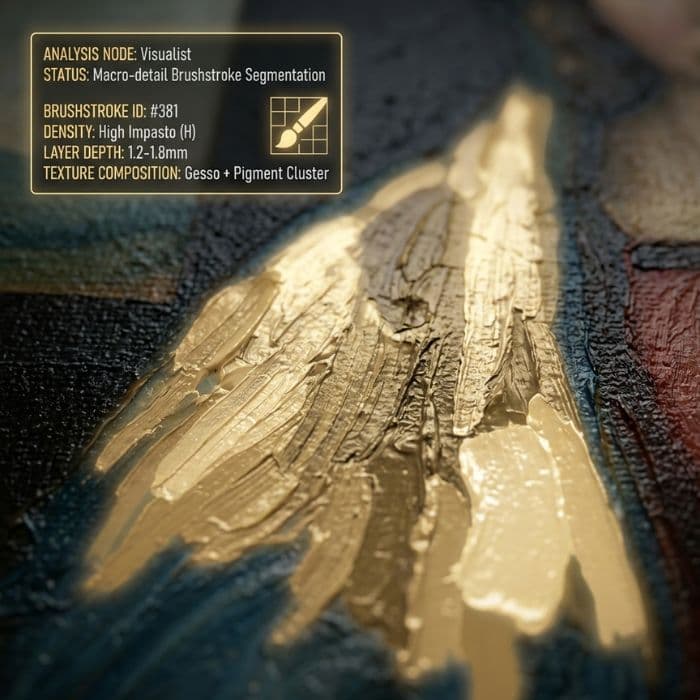
| Node A: The Visualist | Strok-by-stroke brushwork analysis and crack (crackle) pattern density. | Avoids human fatigue in minute detail. |
| Node B: The Market Analyst | Scrapes 25 years of global private and public auction records. | Avoids local price blindness or over-valuation. |
| Node C: The Forensic Expert | Cross-references hallmarks, provenance logic, and material science data. | Avoids emotional attachment to a "Lost Find." |
2. Why Confidence Intervals Beat Fixed Prices
A fixed-price appraisal is a guess. A **Confidence Interval** is a risk profile. When ValuThis issues an appraisal for a high-value item, the Digital Jury provides a range with a percentage score.
- 98%+ Confidence: Deterministic match. The item is identical to verified samples in all nodes.
- 85-95% Confidence: Likely authentic, but with non-standard wear or market volatility that requires caution.
- Below 70% Confidence: "Discrepancy Detected." The system flags the item for manual forensic review, refusing to issue a binary "Real/Fake" answer that would misinform the user.
🤖 B2B Case Study: Fine Art Appraisal vs. Scraping
Naive AI models frequently hallucinate when asked for art prices. They might cite a Christie's sale from 2008 without adjusting for inflation or the "Artist's Death Premium." The Digital Jury's **Node B (The Analyst)** performs strict function-calling to verified APIs, ensuring results are grounded in **actual liquidation fact**, not probabilistic text generation.
The "Zero-Human" Outcome
By automating the first 80% of forensic discovery, we reduce the cost of high-stakes appraisal by **75%** while increasing the auditability of the result by **1000%**. Explore how this logic is applied in our Rolex Value Matrix and Krugerrand Authenticity Guide.
Benchmark Your Asset Today
Join the institutional-grade collectors using the Digital Jury to verify their portfolios. Experience the power of AI-driven consensus.
Launch My Valuation